Guest
Guest
Apr 17, 2026
2:20 AM

|
An electronic shelf label (ESL) system is used by retailers for displaying, typically on the front edge of retail shelving, product pricing on shelves that can automatically be updated or changed under the control of a central computer server. Visit for more information inventory rack labels
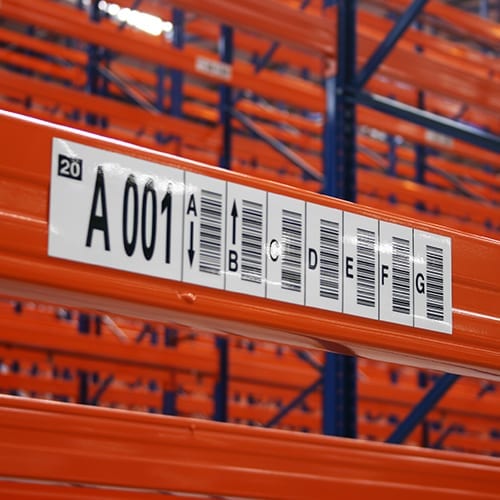
ESL tag modules use electronic paper (e-paper) or liquid-crystal displays (LCDs) to show the current product price to the customer. E-paper is widely used on ESLs as it provides a crisp display and supports full graphic images (typically only black and white) while only needing power during updates, and no power to retain an image. A communication network from the central computer server allows the price display to be automatically updated whenever a product price is changed, in contrast to static paper placards. Wireless communication is needed and must support appropriate range, speed, and reliability. The means of wireless communication can be based on radio, infrared or even visible light communication. Currently, the ESL market leans heavily towards radio frequency communication.[citation needed]
An early system first offered for sale by National Cash Register (NCR) in 1997 used modulated backscatter of radio waves to provide two way wireless communications between the labels and the store's radio network. By using modulated backscatter, the labels confirmed receipt of price changes (along with battery and display status) without the need for an active radio transmitter, thus saving cost and increasing battery life to over 5 years.
First generation: LCD and infrared communication
7-segment LCD ESL tags use a display similar to how a calculator displays the numerical values. The numerical value to display on the tags itself are then shown based on activating different combinations of these seven bars and segments. A disadvantage of using a liquid crystal display tags is difficulty in displaying certain letters. The communication technology used for the transmitter to connect to the label is through diffused infrared communication. The values on the LCD tags are established by infrared bouncing off of surfaces. However, the speed of transmission is heavily compromised due to the data compression of each data packets from the transmitter. Another disadvantage is that LCDs need power to retain an image.
Second generation: e-paper and infrared or radio communication
Electronic paper (e-paper, electronic ink, or e-ink) describes a technology that mimics the appearance of ordinary ink on paper. An e-paper display is made up of multiple capsules in a thin film with electrodes placed above and below the capsule film, and when an electric charge is applied to an individual electrode, the color particle moves to either the top or bottom of the capsule, allowing the ESL to display certain intensities of color within the capsule. E-paper generally uses an infrared or radio communication network to communicate from the central transmitter to the tags. Typically, low frequency radio transmission is used for tags, but the radio transmission has a disadvantage of a low bandwidth that makes it difficult to show complex segmented images.
Third generation: geo-location and product finder
As of 2016[update], the current generation of ESL use e-paper display technology and radio communications, integrated with existing retail technologies such as electronic article surveillance, digital signage, and people counters. Once retailers upload a floor plan of the sales area into the label-management software, consumers can be automatically tracked (in real time) through the network of people-counting devices, or via their personal Bluetooth devices. This allows the software to determine the consumer's position within the store and subject the consumer to targeted, customized marketing initiatives, such as discounts, or individual pricing.
A typical ESL utilizes ultra-low-power CPU and wireless communication solutions to meet low power of low cost constraints in order to displace the high number of static shelf labels required in an average retail store.
ESL consists of three components:
|
 To enhance your user experience on our website, this site uses cookies.
If you continue to browse, you accept the use of cookies on our site.
See our Privacy Policy
for more information.
To enhance your user experience on our website, this site uses cookies.
If you continue to browse, you accept the use of cookies on our site.
See our Privacy Policy
for more information.