Guest
Guest
Dec 30, 2025
9:03 AM

|
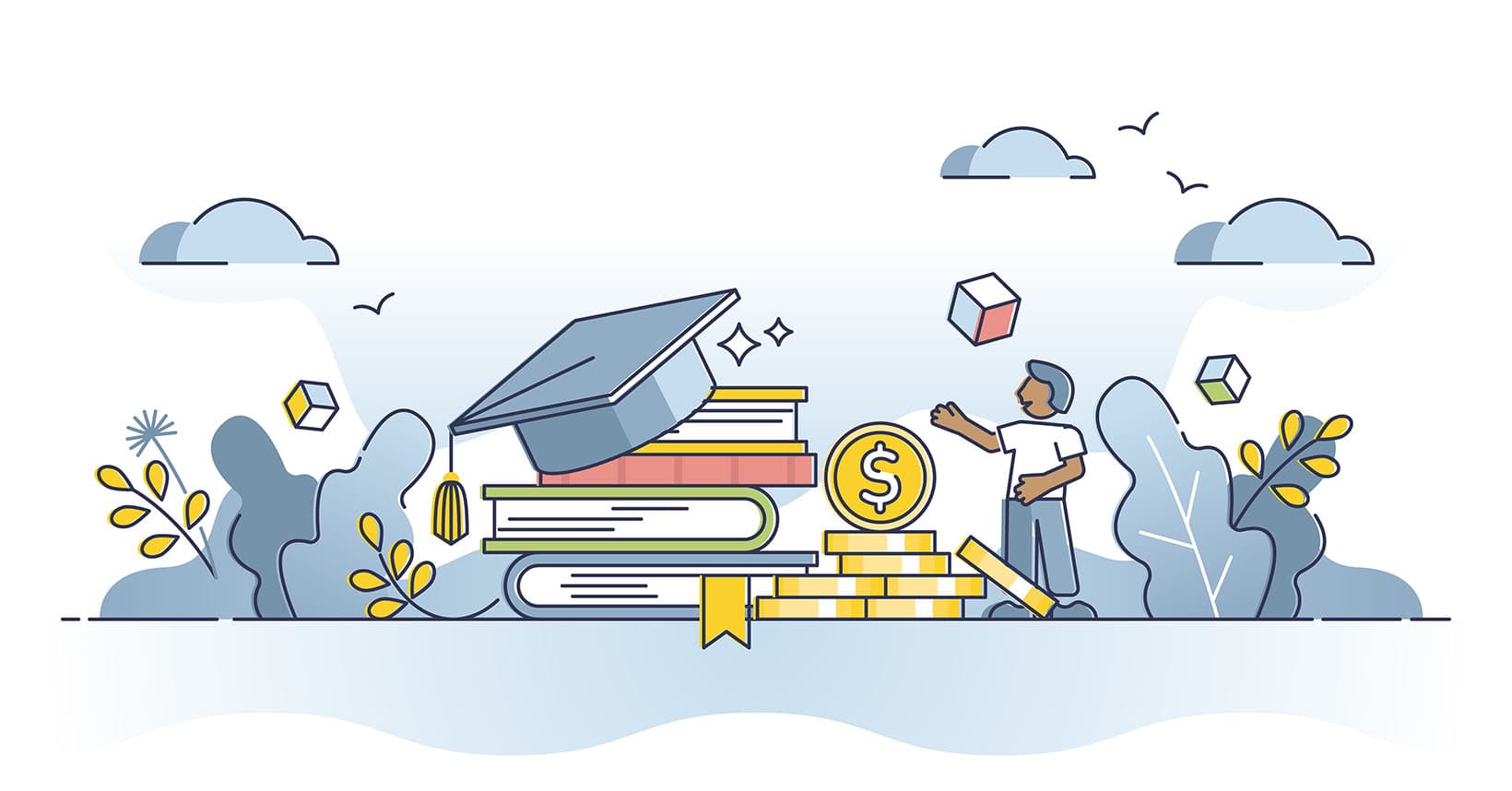
Education has always been one of the cornerstones of society, shaping not only individuals but also the world around us. It has long been regarded as the key to unlocking human potential and building a more informed, equitable, and sustainable future. In today’s ever-evolving world, the value of education cannot be overstated, as it plays a pivotal role in personal, social, and economic development. But what makes education so essential, and why is it crucial that we continue to invest in it at all levels?
1. Education as a Pathway to Personal Growth
One of the most fundamental benefits of education is its ability to foster personal growth. Through learning, individuals develop a broad range of skills—from critical thinking and problem-solving to communication and collaboration. These skills not only enhance an individual’s ability to navigate the world but also provide a sense of confidence and empowerment. Education, especially in its most diverse forms, opens up opportunities for people to explore their passions, learn new things, and understand the world better.
Moreover, education helps people realize their potential and pursue careers or vocations that align with their talents and interests. Whether it's through formal schooling, online courses, or self-directed learning, the pursuit of knowledge enables individuals to grow intellectually, emotionally, and socially.
2. Education and Social Equality
Beyond personal development, education is a powerful tool for promoting social equity. It can bridge gaps between different socio-economic groups, offering individuals from all backgrounds the opportunity to improve their lives. Education is one of the best ways to break the cycle of poverty, as it provides people with the skills they need to enter the workforce and participate in economic activities.
However, it’s crucial that education systems are accessible and inclusive. For many, systemic barriers such as gender, disability, or geography can limit educational opportunities. A truly equitable education system seeks to eliminate these barriers, ensuring that all individuals, regardless of their background, have access to the resources they need to succeed.
3. Economic Development and Global Prosperity
Education is not only a tool for individual success but also a driver of economic development. A well-educated workforce is key to a thriving economy, as it leads to higher productivity, innovation, and technological advancements. In the modern world, industries are becoming increasingly knowledge-based, meaning that the ability to learn, adapt, and innovate is more important than ever.
Countries that invest in education tend to experience more robust economic growth. Education helps create a skilled labor force, attract foreign investment, and foster entrepreneurship. As the world becomes more interconnected, the ability to collaborate across borders and cultures is essential. Education provides the foundation for this global cooperation, enabling individuals to work together to tackle pressing global challenges like climate change, health crises, and political instability.
4. The Role of Technology in Education
In recent years, technology has revolutionized the way we approach education. Digital tools and platforms have made learning more accessible, allowing people to access information and resources from anywhere in the world. This has led to the rise of online courses, virtual classrooms, and massive open online courses (MOOCs), which have made education more flexible and inclusive.
However, while technology can enhance learning, it also presents challenges. The digital divide—inequalities in access to technology—remains a significant issue. In many parts of the world, lack of internet access or technological resources limits educational opportunities. Ensuring that all individuals have the tools they need to participate in the digital learning revolution is a challenge that must be addressed if technology is to fulfill its potential as a force for global educational equality.
5. The Changing Landscape of Education
The traditional model of education, which largely revolves around in-person classrooms and textbooks, is evolving. The rise of online education, blendedget more info learning, and self-paced learning options have transformed the landscape. As a result, there is growing recognition that education should be a lifelong pursuit, with opportunities for learning extending well beyond the classroom and throughout one's career.
The focus is also shifting from rote memorization to developing skills that prepare individuals for real-world challenges. Critical thinking, adaptability, emotional intelligence, and collaboration are becoming more important than ever. Additionally, there’s a growing recognition of the need for education to be more holistic, addressing not only academic achievement but also the emotional, social, and ethical development of students.
6. Challenges in Education
Despite its many benefits, education faces several challenges. Global disparities in access to quality education are stark, with millions of children in developing countries still not attending school or receiving subpar instruction. Even in more developed nations, issues such as overcrowded classrooms, underfunded schools, and teacher burnout can limit the effectiveness of education systems.
Moreover, there are also concerns about the relevance of education in today’s rapidly changing world. The skills required for success in the 21st century are different from those of the past, and education systems must adapt to ensure that students are prepared for the challenges and opportunities ahead. This means rethinking curricula, focusing on digital literacy, and fostering creativity and innovation.
7. The Future of Education
Looking ahead, the future of education seems both exciting and uncertain. As technological advancements continue, the potential for more personalized, interactive, and engaging learning experiences increases. Artificial intelligence, virtual reality, and other innovations have the potential to revolutionize education, making it more tailored to individual needs and interests.
At the same time, there is a growing recognition that education must be rooted in shared human values. Issues such as climate change, social justice, and peacebuilding are becoming an increasingly important part of educational curricula. The aim is not just to educate individuals for personal success but also to prepare them to be responsible, compassionate, and engaged global citizens.
Conclusion
Education is a fundamental pillar of society, essential not just for personal success, but for social cohesion, economic prosperity, and global development. As we move into the future, it is essential that we continue to adapt and innovate our education systems, ensuring they are inclusive, accessible, and relevant to the challenges and opportunities of the modern world. By investing in education, we are investing in a brighter, more sustainable future for all.
|
 To enhance your user experience on our website, this site uses cookies.
If you continue to browse, you accept the use of cookies on our site.
See our Privacy Policy
for more information.
To enhance your user experience on our website, this site uses cookies.
If you continue to browse, you accept the use of cookies on our site.
See our Privacy Policy
for more information.