Guest
Guest
Dec 24, 2025
9:59 AM

|
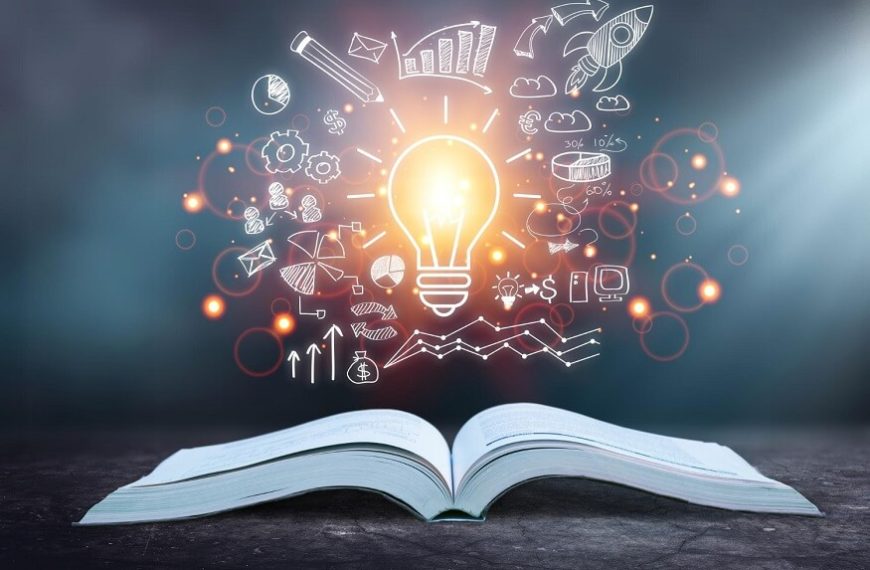
Education is one of the most powerful tools for personal growth and social development. It is more than the process of acquiring knowledge from books or classrooms; education shapes values, builds critical thinking, and prepares individuals to contribute meaningfully to society. In a rapidly changing world, education plays a central role in helping people adapt, innovate, and thrive.
At the individual level, education empowers people with knowledge and skills that improve their quality of life. Literacy, numeracy, and problem-solving abilities open doors to better employment opportunities and financial stability. Beyond economic benefits, education fosters self-confidence and independence. An educated person is better equipped to make informed decisions about health, career, and personal relationships, leading to a more fulfilling life.
Education also plays a crucial role in developing critical and creative thinking. Rather than simply memorizing facts, effective education encourages leeducationarners to question, analyze, and evaluate information. These skills are especially important in the digital age, where people are constantly exposed to vast amounts of information and misinformation. Education helps individuals distinguish between reliable sources and false claims, promoting responsible citizenship.
From a societal perspective, education is the foundation of social progress. Educated communities tend to have lower levels of poverty, improved public health, and stronger democratic institutions. Schools and universities serve as spaces where people from diverse backgrounds interact, learn mutual respect, and develop a sense of shared responsibility. Through education, societies can promote equality, reduce discrimination, and empower marginalized groups.
Moreover, education drives innovation and economic development. Scientists, engineers, teachers, doctors, and entrepreneurs all rely on education to advance technology and solve complex global challenges such as climate change, public health crises, and sustainable development. Countries that invest in education are more likely to experience long-term economic growth and social stability.
In conclusion, education is not just a personal achievement but a collective investment in the future. It shapes individuals into thoughtful, skilled, and responsible members of society while fostering progress, equality, and innovation. Ensuring access to quality education for all is essential for building a better, more just, and sustainable world.
|
 To enhance your user experience on our website, this site uses cookies.
If you continue to browse, you accept the use of cookies on our site.
See our Privacy Policy
for more information.
To enhance your user experience on our website, this site uses cookies.
If you continue to browse, you accept the use of cookies on our site.
See our Privacy Policy
for more information.