Guest
Guest
Dec 24, 2025
9:46 AM

|
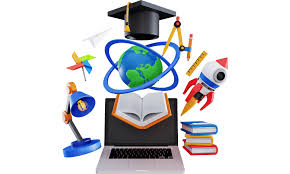
Education is one of the most powerful tools for personal growth and social development. It shapes individuals, strengthens communities, and drives national progress. From early childhood to higher learning, education equips people with knowledge, skills, values, and the ability to think critically. In an increasingly complex and interconnected world, education is not only important—it is essential.
At an individual level, education helps people understand the world around them and discover their potential. Through education, learners develop literacy, numeracy, problem-solving abilities, and communication skills. These abilities empower individuals to make informed decisions, pursue meaningful careers, and adapt to change. Education also builds confidence and encourages lifelong learning, allowing people to continue growing beyond the classroom.
Education plays a crucial role in economic development. A well-educated population is more productive, innovative, and capable of meeting the demands of a modern economy. Countries that invest in education tend to experience lower unemployment rates, higher incomes, and stronger economic stability. Education prepares individuals for the workforce by providing technical skills as well as soft skills such as teamwork, creativity, and leadership, which are increasingly valued in today’s job market.
Beyond economic benefits, education promotes social equality and justice. It offers opportunities for individuals from diverse backgrounds to improve their lives and break cycles of poverty. Access to quality education can reduce social gaps related to income, gender, and ethnicity. When education is inclusive and equitable, it empowers marginalized groups and contributes to a fairer society.
Education also strengthens democratic values and social responsibility. Through subjects such as history, civics, and ethics, learners gain an understanding of their rights and responsibilities as citizens. Education encourages respect for diversity, tolerance, and peaceful coexistence. An educated society is better equipped to engage in constructive dialogue, resist misinformation, and participate actively in civic life.
In recent years, technology has transformed education in significant ways. Online learning platforms, digital resources, and virtual classrooms have expanded access to knowledge beyond traditional boundaries. Students can now learn at their own pace and connect with educators and peers across the globe. However, this transformation also highlights challenges, such as the digital divide and the need to ensure that technology enhances learning rather than replaces human interaction.
Despite its importance, education faces many challenges worldwide, including unequal access, limited resources, and outdated teaching methods. Addressing these issues requires collaboration between governments, educators, communities, and families. Investing in teachereducationngrs, improving curricula, and ensuring safe and supportive learning environments are critical steps toward improving educational outcomes.
In conclusion, education is the foundation of personal success and societal progress. It empowers individuals, fuels economic growth, promotes equality, and strengthens democratic values. By prioritizing education and adapting it to the needs of a changing world, societies can build a more knowledgeable, just, and sustainable future.
|
 To enhance your user experience on our website, this site uses cookies.
If you continue to browse, you accept the use of cookies on our site.
See our Privacy Policy
for more information.
To enhance your user experience on our website, this site uses cookies.
If you continue to browse, you accept the use of cookies on our site.
See our Privacy Policy
for more information.