Guest
Guest
Dec 22, 2025
2:10 AM

|
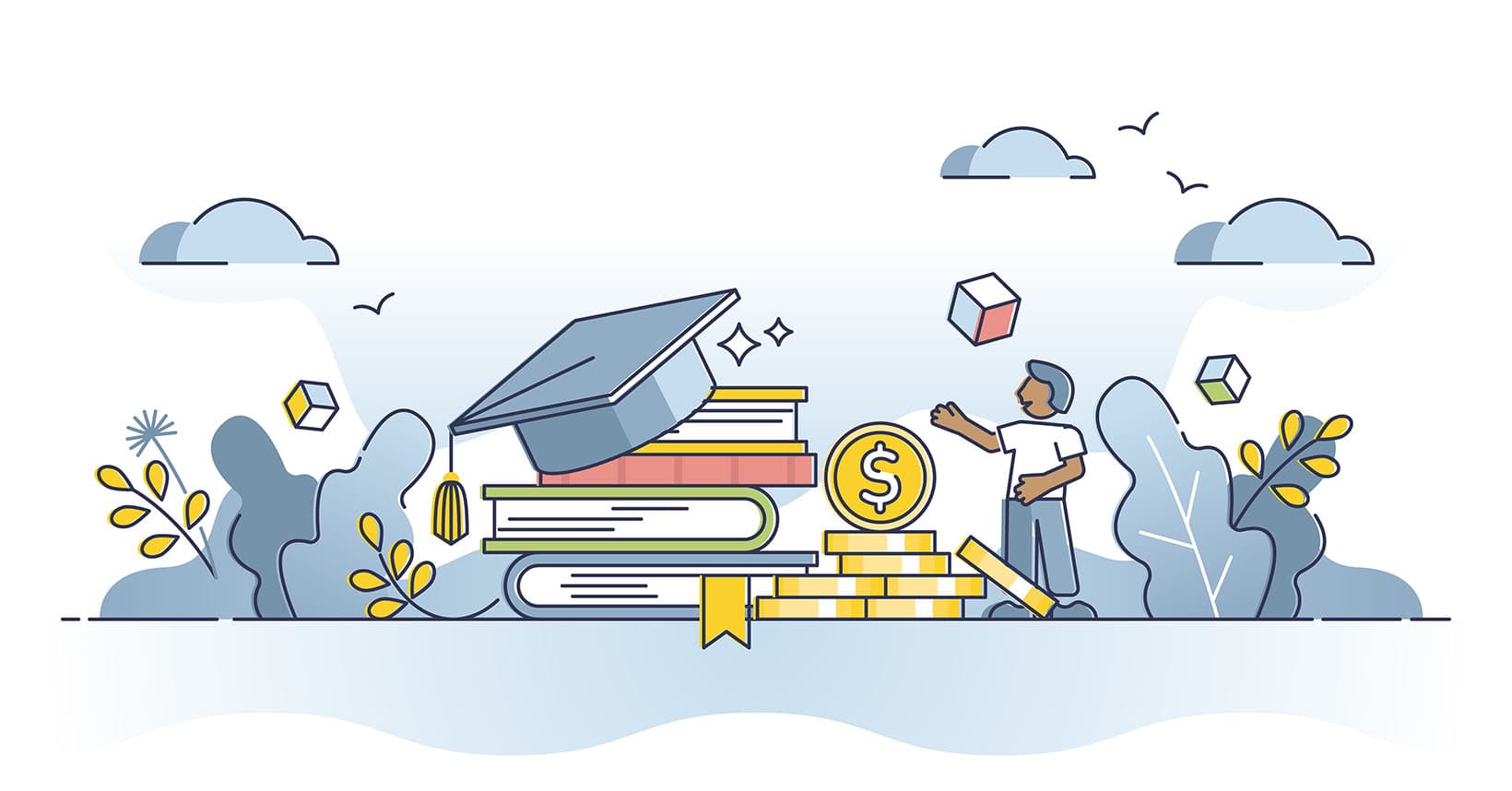
Education has always been a cornerstone of human society, shaping the minds of future generations and preparing them for the challenges of the world. However, as we move further into the 21st century, the traditional methods of education are being tested and transformed. The rapid advancement of technology, evolving job markets, and shifting societal needs are pushing educators, students, and policymakers to rethink how learning should take place. The future of education, therefore, is not just about new tools and technologies—it’s about adapting to a changing world that demands flexibility, creativity, and critical thinking.
1. The Role of Technology in Education
One of the most significant changes in recent years has been the rise of technology in education. From online learning platforms to AI-driven tutoring systems, technology is enabling personalized learning experiences that were once unimaginable. Virtual classrooms have become a common feature, allowing students to learn from anywhere in the world. Moreover, interactive tools such as educational apps, gamification, and simulation-based learning have transformed the way students engage with material.
However, while technology has opened new doors, it has also raised important questions. How can we ensure that all students have access to the digital resources they need? What role will artificial intelligence play in shaping the curriculum? And how can we maintain human connection and empathy in a technology-driven learning environment?
2. Lifelong Learning and the Changing Job Market
As the job market becomes increasingly dynamic, the need for continuous learning is more important than ever. Automation and artificial intelligence are revolutionizing industries, rendering some jobs obsolete while creating new opportunities in fields like data science, robotics, and cybersecurity. This means that education no longer stops after graduation—it becomes a lifelong endeavor.
To prepare for this future, educational institutions are beginning to embrace the concept of lifelong learning. Online courses, certifications, and skill-based training programs allow individuals to upskill or reskill throughout their careers. This flexibility not only benefits the individual but also helps employers find workers who can adapt to rapidly changing industry needs.
3. A Shift Toward Personalized Learning
Traditional education often follows a one-size-fits-all model, where students are expected to learn at the same pace and in the same way. However, recent developments in educational psychology aeducationngrnd technology suggest that this approach may not be the most effective for all learners. Personalized learning, which tailors the educational experience to the needs, interests, and learning styles of each student, is gaining traction.
In a personalized learning environment, students are given more agency over their education. They can choose what they want to learn, when they want to learn it, and how they want to engage with the material. This model encourages self-motivation and fosters a deeper connection to the content, leading to more meaningful learning experiences.
4. Emotional and Social Learning
While academic knowledge is undeniably important, the future of education must also prioritize emotional intelligence, social skills, and mental well-being. The challenges of the modern world—such as climate change, political polarization, and economic instability—require individuals who can think critically, collaborate effectively, and manage their emotions in high-pressure situations.
Social-emotional learning (SEL) programs, which teach students how to manage their emotions, build relationships, and make responsible decisions, are gaining recognition in schools around the world. These programs aim to develop well-rounded individuals who are not only academically proficient but also equipped to handle the complexities of life.
5. The Importance of Equity and Access
No discussion of the future of education would be complete without addressing the issue of equity. While technology has the potential to democratize education, the digital divide still presents significant challenges. Students from low-income families or rural areas often lack access to the devices and internet connections required for online learning.
Additionally, disparities in educational quality persist, with many students in underfunded schools receiving fewer resources and opportunities than their peers in wealthier districts. To ensure that the future of education benefits all students, policymakers must prioritize equitable access to resources, technology, and high-quality teaching.
6. Education Beyond the Classroom
Finally, the future of education will likely move beyond the traditional classroom setting. Many skills needed for success in the modern world—such as creativity, critical thinking, and collaboration—are best developed through real-world experiences. Internship programs, community-based learning projects, and international exchanges provide students with opportunities to apply their knowledge in practical settings, developing skills that are often not taught in a textbook.
Moreover, experiential learning promotes lifelong curiosity and a passion for learning. Students who have hands-on experiences in various fields are more likely to continue exploring new areas throughout their lives, fostering a culture of innovation and continuous growth.
Conclusion
As we look ahead, the future of education appears both exciting and challenging. The integration of technology, the rise of personalized learning, the emphasis on emotional intelligence, and the push for equity all point toward a more inclusive, adaptive, and forward-thinking system of education. However, these advancements must be approached thoughtfully, with attention to ensuring that no student is left behind. By embracing change and reimagining what education can be, we can prepare future generations to thrive in a rapidly evolving world.
|
 To enhance your user experience on our website, this site uses cookies.
If you continue to browse, you accept the use of cookies on our site.
See our Privacy Policy
for more information.
To enhance your user experience on our website, this site uses cookies.
If you continue to browse, you accept the use of cookies on our site.
See our Privacy Policy
for more information.